

The intriguing journey of gambling a historical perspective
The Origins of Gambling
The origins of gambling can be traced back to ancient civilizations, where games of chance were often used as a form of entertainment and social interaction. Archaeological findings suggest that gambling activities date back to as early as 3000 BC in Mesopotamia, where people used clay dice to play games of chance. These early forms of gambling were not only seen as leisure but also carried cultural significance, often tied to rituals and community gatherings. This fascinating history is paralleled by the use of tools, such as aviator, which have shaped the experience of gaming over time.
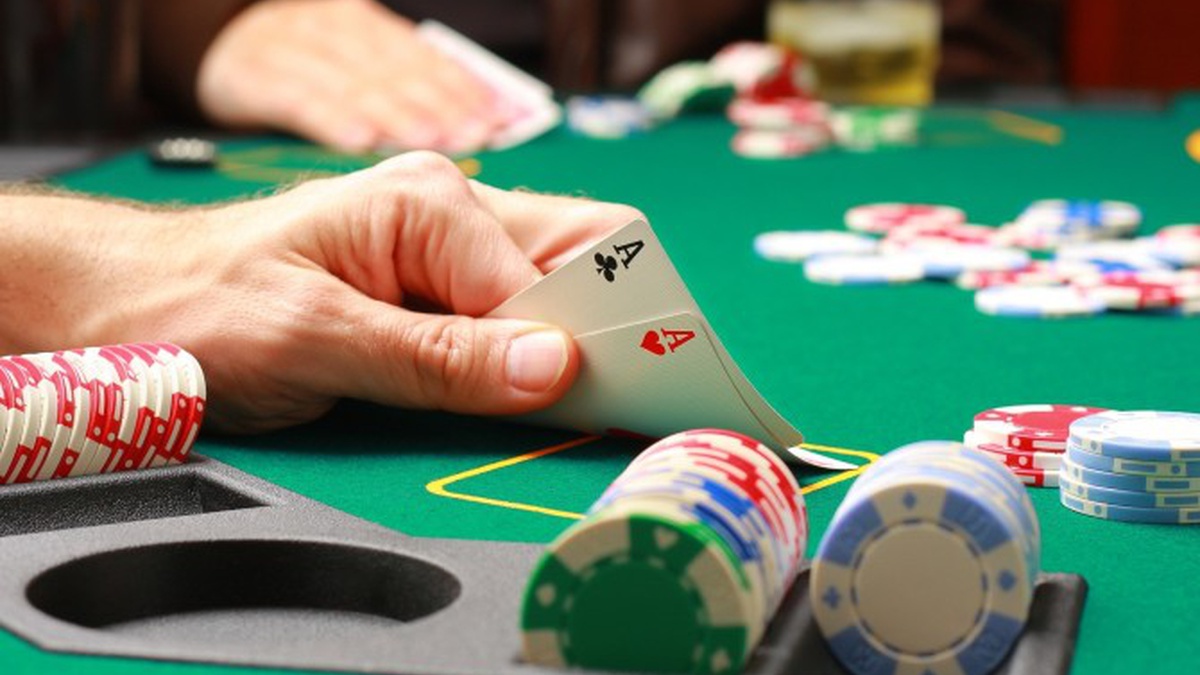
In ancient China, gambling played a prominent role in society as well, with evidence of games involving betting on outcomes of contests, like the popular “Keno” game. The Book of Songs, a collection of ancient Chinese poetry, even references gambling practices, indicating its deep-rooted history. This reflects how gambling evolved from a simple pastime to a complex social activity intertwined with culture and tradition.
As societies developed, so did the forms of gambling. The Romans, for example, embraced betting on gladiatorial games and chariot races. They legalized many forms of gambling to fund public projects and entertain the masses. This not only contributed to the economy but also laid the groundwork for gambling regulations that would evolve over the centuries.
The Evolution Through the Ages
During the Middle Ages, gambling underwent significant changes as it became more organized. The establishment of gambling houses in Europe marked the transition from informal betting among friends to more structured forms of wagering. These establishments offered various games, including card games and dice games, attracting both nobility and commoners alike. The popularity of these venues illustrated the growing acceptance of gambling as a mainstream activity.
With the arrival of the Renaissance, gambling became even more prominent, particularly in Italy, where the modern game of poker evolved. This period also saw the birth of lotteries, which were often used to fund public projects and charitable endeavors. The allure of winning large sums of money captured the imagination of many, contributing to the widespread popularity of gambling across Europe.
By the 17th century, gambling had established itself as a significant social activity, leading to the emergence of gambling regulations. Governments began to impose taxes on gambling proceeds, recognizing its economic potential. This shift marked the beginning of a more formal relationship between gambling and the state, setting the stage for modern gambling laws and practices.
The Impact of Technology on Gambling
The advent of technology in the 19th and 20th centuries revolutionized gambling. The invention of mechanical slot machines in the late 1800s introduced a new form of gambling that was easy to play and required no skill. This led to the rapid proliferation of casinos and gambling establishments, particularly in the United States. The Las Vegas Strip emerged as a gambling mecca, attracting millions of visitors eager to try their luck.
As technology continued to advance, so too did the gambling industry. The introduction of online gambling in the late 20th century provided a new platform for players to engage in their favorite games from the comfort of their homes. Online casinos and betting sites offered a wide range of games, appealing to a broader audience and transforming the gambling landscape. This shift has made gambling more accessible, but it has also raised concerns about addiction and regulation.
Mobile technology has further changed the dynamics of gambling, with smartphone applications allowing users to gamble anytime, anywhere. This level of accessibility has led to an increase in casual gamers while also intensifying discussions about responsible gambling. The industry’s adaptability to technological advancements has not only enhanced the gaming experience but also sparked debates on its impact on society and individual behavior.
The Myths Surrounding Gambling
Throughout history, various myths about gambling have emerged, often shaping public perception. One common myth is that certain games are “rigged,” suggesting that the odds are not in the player’s favor. While the house always maintains an advantage, understanding the mathematics behind each game can help dispel this notion. For instance, in games like blackjack, employing basic strategy can significantly improve a player’s chances of winning, countering the myth of predetermined outcomes.
Another prevalent myth is the belief in “lucky streaks” or the idea that a player is bound to win after a series of losses. This misconception can lead to poor decision-making and increased gambling losses. In reality, each betting round is independent, and past outcomes do not influence future results. Recognizing this fact is crucial for players looking to approach gambling with a rational mindset.
Additionally, some believe that certain locations or times are luckier than others. While superstition can add an element of fun, it does not hold up under scrutiny. A comprehensive understanding of the mechanics of games and betting can help individuals navigate these myths and engage in gambling more responsibly, focusing on enjoyment rather than mere luck.

Conclusion and Reflection on Gambling’s Future
The intriguing journey of gambling has woven itself through the fabric of human history, influencing cultures, economies, and social dynamics. As we look to the future, it is essential to recognize the ongoing evolution of the gambling industry. With the rise of online platforms and technological advancements, the landscape will continue to change, presenting both opportunities and challenges.
Responsible gambling practices must be at the forefront of this evolution. As more people engage with gambling through various mediums, it is crucial to prioritize education about risks, myths, and strategies to encourage a healthier relationship with gaming. The development of regulations and support systems will be essential to ensure that individuals can enjoy gambling without falling prey to its potential pitfalls.
In conclusion, the journey of gambling reflects not just a form of entertainment but a rich historical narrative that continues to evolve. Understanding this journey can inform better practices and perceptions surrounding gambling, paving the way for a more enlightened future in which the enjoyment of games of chance can coexist with responsible play.